
My first 9 Months at Belong
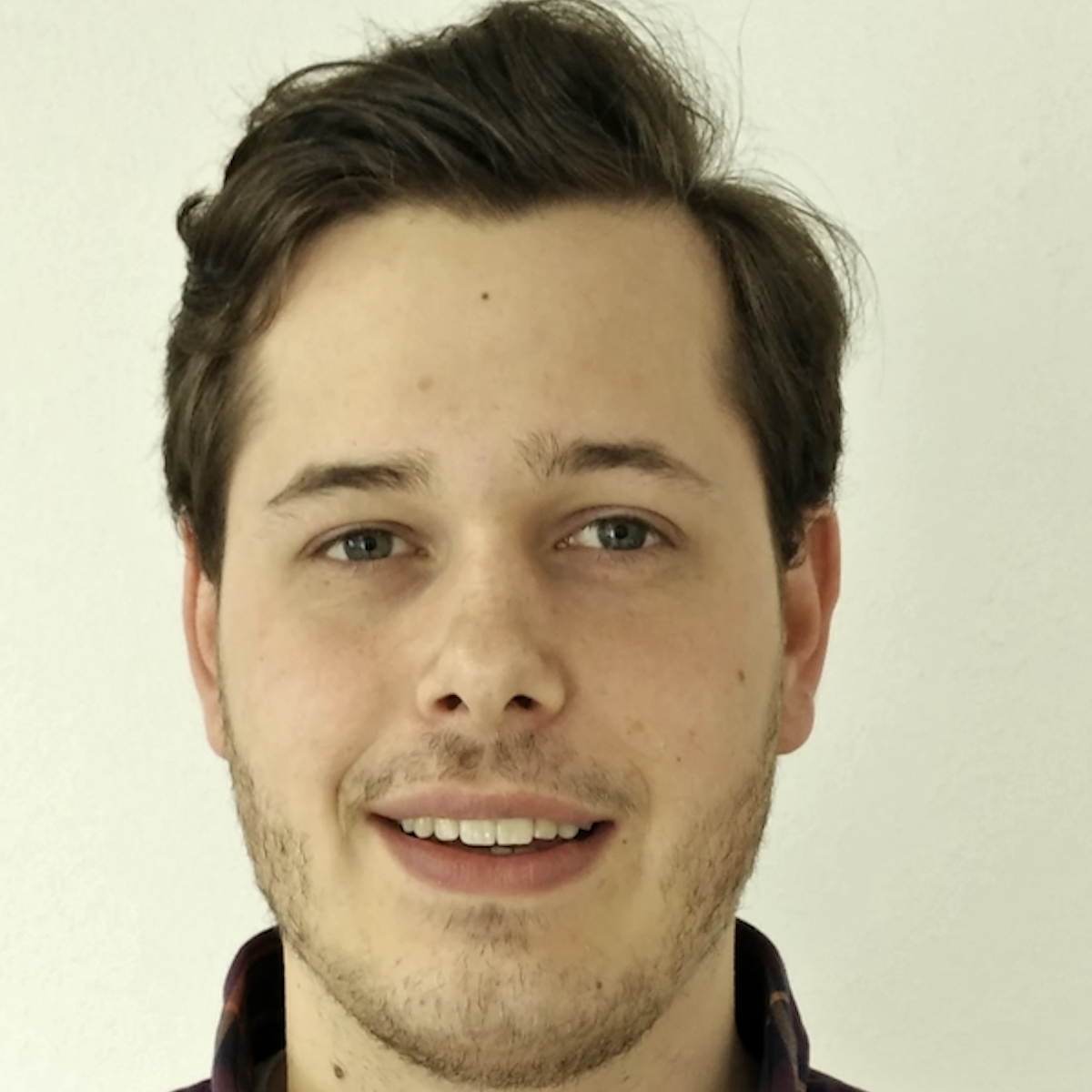 yannic
9 Months at Belong: From "PHP in Germany" to "Go in Tokyo"
I joined Belong in May 2025 as an Engineering Manager with a high ceiling for expectations and, if I’m being honest, a healthy dose of fear. It was my second job in Japan, but a massive shift in environment: English was no longer the default, meetings were strictly in Japanese, and the tech stack was a total 180 from my comfort zone.
Leaving the Comfort Zone (and the PHP) Behind
Before Belong, my world was built on PHP, Python, Vue.js, and AWS. Suddenly, I found myself in a world of GCP, GoLang, and React.
I knew I had a lot to learn to contribute meaningfully, and the thought of starting from scratch after four years in a comfortable niche was intimidating. But then again, I’ve always been a glutton for punishment—I mean, challenges. I started my own company in Germany, ran it for six years, and then decided to move to Japan without being able to read or speak the language. Compared to that, learning a new tech stack is just another Tuesday, right?
Why Belong? (Beyond the Survival Instinct)
People ask why I chose Belong over any other company. It wasn’t just about the technical challenge. I wanted:
- Intellectual curiosity: An environment with people who actually care about the why.
- A Hybrid Work Style: I wanted to see real humans, not just pixelated avatars. I wanted colleagues, not just "names on a screen."
What I found was a "nourishing ground" for creativity. Our engineering department is a wild mix of personalities—from the shy and cautious to the loud and forward. We have a blend of Japanese locals and expats from Europe, Asia, and America. While we are still male-dominated, we have female developers contributing to a culture that feels genuinely inclusive. Plus, our regular get-togethers ensure we actually talk to each other.
Scalability and the "American Dream"
Right now is a fascinating time to be here. Belong is currently expanding into the American market. You can feel the momentum — business trips overseas are frequent, certain meetings are held in english and international visitors pop into the office from time to time.
Because we are growing so fast, the "old ways" of doing things are constantly being scaled up. As an EM, this is my playground. I get to help define these processes and build a comfortable environment for the team. And while I still battle the language barrier daily, my colleagues are incredibly supportive. They’re willing to cross the cultural gap to move the company forward, even if I’m still searching for the right Japanese verb.
My Mission: Escaping the Documentation Dungeon
I currently work on our Warehouse Management System (WMS), which tracks device availability and state. It’s a system that has grown "organically" (which is dev-speak for "it has some interesting quirks and workarounds"). Our warehouses process thousands of devices every day; from procurement to grading to shipping, every single unit is tracked by warehouse staff using our WMS.
The journey a device takes depends on a dozen variables: How was it procured? Is it a smartphone or a smartwatch? Can it be refurbished to bump it up a grade? Mapping out these scenarios is crucial to keeping the onsite operations from descending into total anarchy.
Even with extensive documentation, it’s a lot to wrap your head around. It doesn't help that there is a massive physical (and mental) distance between the developers and the users. Sometimes, engineers get carried away and overengineer a function no one asked for. Sometimes, users find a "creative" way to use a feature that developers never intended. And then there are the "unspoken truths"—those undocumented secrets held by both sides that tend to grind progress to a halt.
So, I made it my mission to fix the onboarding process. My proposal? The Job Rotation.
Instead of just staring at a Notion page, new members will head to the actual warehouse. They’ll see the bottlenecks, feel the pain points, and meet the in-house users who send the support requests. It turns a "ticket" into a "person named Tanaka-san who needs help." Nothing helps you understand the software quite like seeing the physical chaos it’s trying to manage.
Looking Ahead to 2026
The Job Rotation kicks off next month, and I’m eager to see if "hands-on learning" beats "reading 50 pages of PDFs" (I have a hunch it might).
For the rest of 2026, we’re looking at more warehouse automation and—on a personal level—even more team-building activities to keep our culture strong. After nine months, the initial fear is gone, the motivation is higher than ever, and I’m ready to see what the rest of the year brings.
Let's have a great 2026!